Local Search
The Three Results That Get the Call
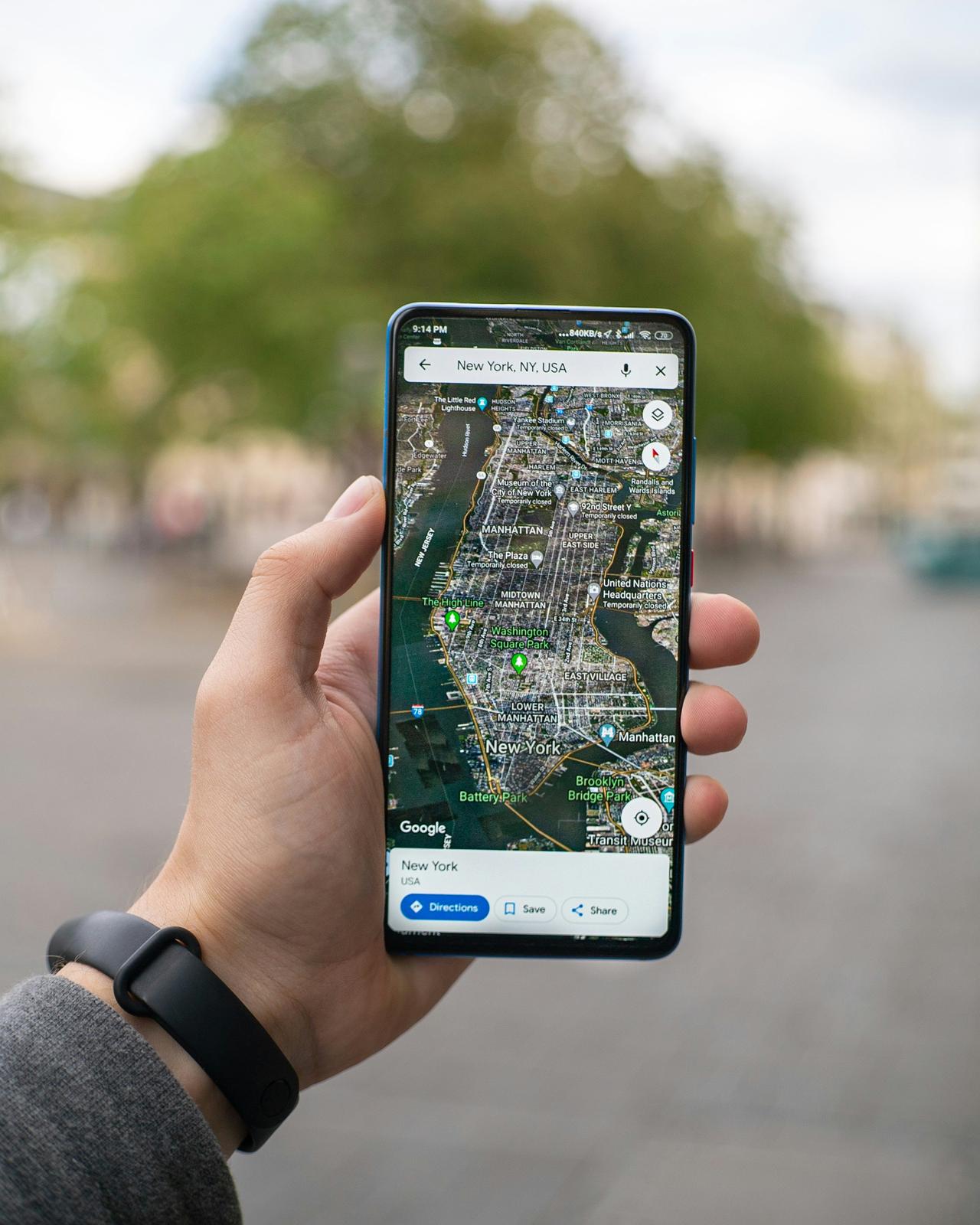
Someone in Brooklyn opens Google on their phone and types "immigration lawyer near me." What loads first is not the list of ten blue links most people picture when they think about ranking on Google. What loads first, above all of it, is a small map with three firms pinned under it: a name, a star rating, a distance, a call button. Most people tap one of those three and never scroll past the map at all. The firm that ranks fourth in that little box, or is not in it, is competing for whatever attention is left after the searcher has already picked up the phone. That box has its own rules, and they are not the rules that decide the blue links underneath it.
The map pack and the blue links are two different contests
Most conversations about "showing up on Google" are really about organic results, the ranked pages that answer a question with the best-matching document. The map pack is a separate result with a separate engine. It does not rank pages; it ranks places, real businesses with a physical presence Google believes serves the searcher's area. That is why a firm can have genuinely strong pages, the kind that earn organic rankings, and still be invisible in the box at the top, because the box is not reading the site the same way. Winning the blue links is a contest about content. Winning the map is a contest about being a verifiable local business, and a firm that only played the first contest never entered the second.
Google says out loud what the box is scored on
The useful part is that Google does not keep the map's logic secret the way it guards the organic algorithm. In its own guidance on local ranking, Google names the three things it weighs: relevance, distance, and prominence. Relevance is how well the business matches what was typed, which is decided largely by the business's own profile, its category and the details on it. Distance is how far the business is from the searcher or the area they named. Prominence is how well-known and well-established the business appears to be, built in part from reviews and from the signals Google can gather about it across the web. Three factors, stated plainly, and a firm can lose the box on any one of them without ever knowing which.
Relevance is decided by a profile most firms never filled in properly
Start with relevance, because it is where firms lose most quietly. The thing Google reads to decide what a business is about is not the website first; it is the Google Business Profile, the free listing that powers the map pin. If that profile is unclaimed, or claimed years ago and left half-empty, or set to a vague primary category like "legal services" instead of the specific one that matches immigration work, Google has little to go on when it decides whether this firm is relevant to "immigration lawyer near me." A firm can have an excellent website about asylum and U-visas and still lose the relevance judgment, because the profile that Google actually scores for the box never said clearly what the firm does. The site is one document; the profile is another, and the box reads the profile.
Prominence is earned, and reviews are most of it
Distance the firm cannot change; the office is where it is. Relevance is a profile problem with a profile fix. Prominence is the one that takes real time, and reviews are the largest lever on it. A profile with a handful of old reviews reads to Google, and to the searcher looking at the box, as a business that is either new or quiet, and it sits below the firm across the neighborhood with a longer, steadier record of clients who came back to say the representation was good. This is also where the website and the box finally connect: the address, name, and phone number on the site need to match the profile exactly, and the firm needs the kind of steady presence across the web that lets Google treat it as an established local practice rather than a listing it is unsure about. Prominence is not bought; it is accumulated, which is exactly why a firm cannot fix it the night before it wants the calls.
The ads at the very top are a different door, and a rented one
Above even the map, a firm will sometimes see sponsored results, and it is tempting to read those as the real answer: pay, appear, done. Those are ads, and they stop the moment the budget does. The map pack sits in the space between the ads and the organic links, and it is the part a firm can win and keep without paying per click, because it is earned through the profile and the prominence rather than rented by the day. A firm that treats the ad slot as its whole local strategy is paying rent on visibility that a claimed, complete, well-reviewed profile would give it and let it hold. The searcher, meanwhile, has learned what the little "sponsored" label means and often scrolls straight past it to the three organic pins below.
Back in Brooklyn, the searcher taps the first of the three firms in the box, the one whose profile said plainly it handles immigration, whose office was close, and whose reviews read like real clients. The firm that got skipped may have the better website of the two. It lost the call before that website ever had a chance to load, in a three-result box scored on relevance, distance, and prominence, because it treated the map as decoration and someone down the block treated it as the front door.
Every ODBA build includes claiming and optimizing the Google Business Profile that decides the map pack: the right category, complete details, and an address that matches the site exactly, so the firm is competing in the box that actually gets the call, not just the links beneath it.
Source: Google, "Improve your local ranking on Google," Google Business Profile Help (relevance, distance, and prominence).